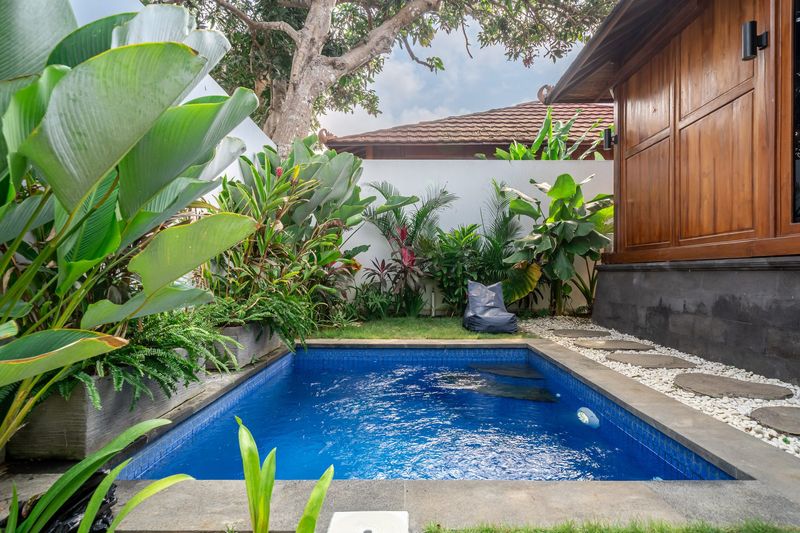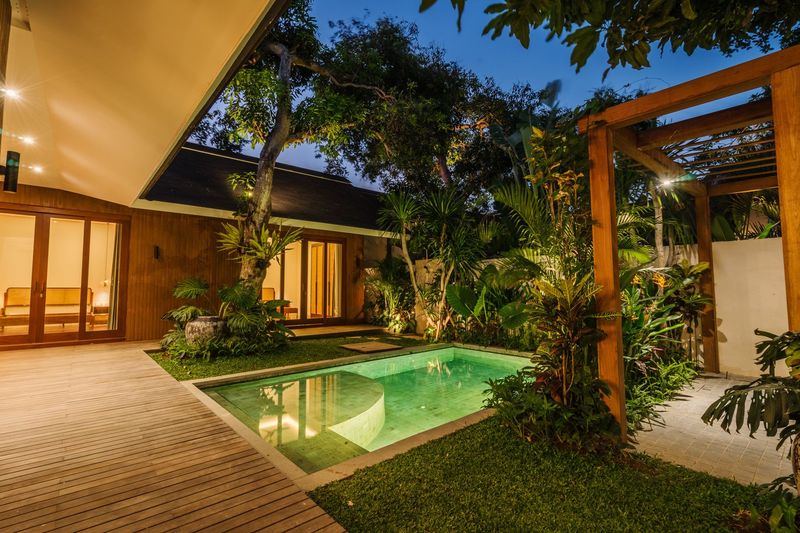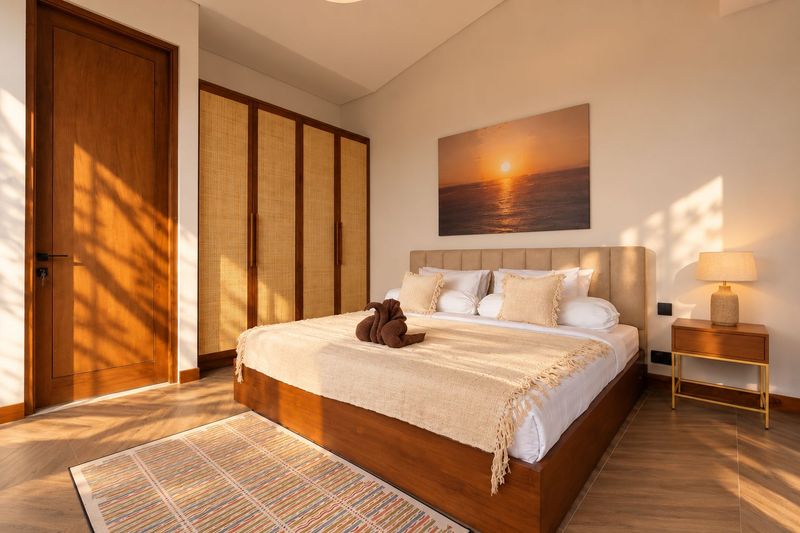
In short. Returns in Asia are higher than in calm markets like Europe, and so are the risks. But an investor can remove most of the risk themselves: check the developer and the documents, pick an area with few new villas, and choose a stand-alone property with a clear track record over a unit in a huge complex. Property also has one advantage over shares and crypto: you can live in it.

People are afraid to invest in Asia: unreliable markets, lots of scams, buyers getting burned. It is the fear we hear most often. Our answer: it is wrong to assume the risks here outweigh the returns.
Risk and return: an honest comparison
In Europe your investment is probably safer, but you will not get Asian-level returns there. In Bali a lot of the safety depends on you: if you know who you are investing with, check the documents properly and understand how the market works, the returns hold up well and can be more interesting.
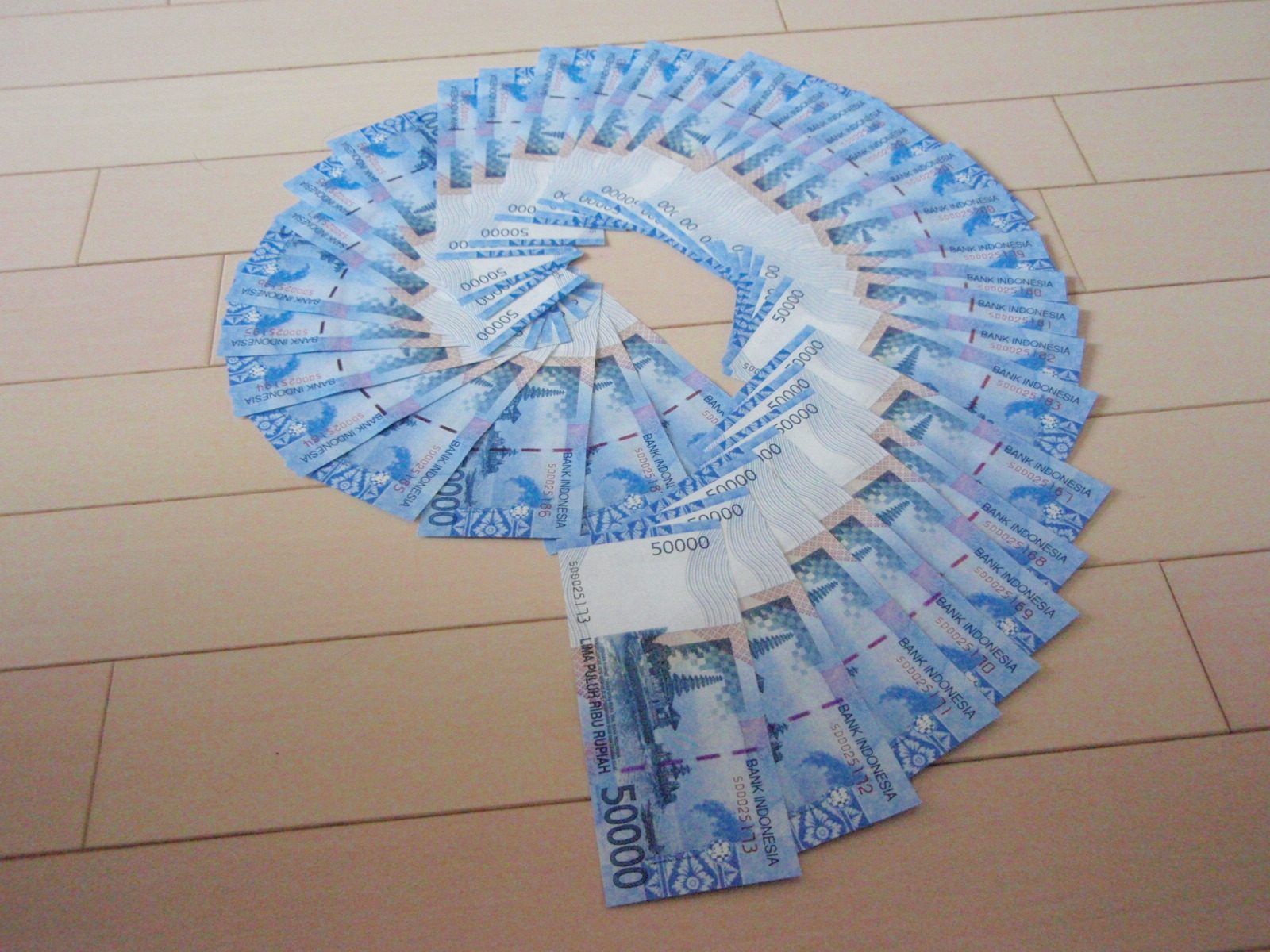
You are buying the region, not only the villa
When the country's economy and the area grow, your property grows with them. Bali lives on tourism, and visitor numbers rise year after year. Money and construction follow the tourists: new hospitals, roads, schools and malls. The island is getting special economic zones, including one for medical tourism.
It is not only foreigners. Indonesians holiday in Bali a lot themselves, and they are future guests of your villa too.
Where the real risk hides
Many people buy what is most visible: the best-known developers, the most heavily marketed complexes. But a big, expensive complex does not by itself mean a good return. There are many investors in it, and each unit's occupancy can come in below expectations.
What works better:
- A stand-alone property rather than a unit in a huge complex.
- A good management company that reports properly.
- An area with tourist demand but few new villas.
A lower entry point than Dubai
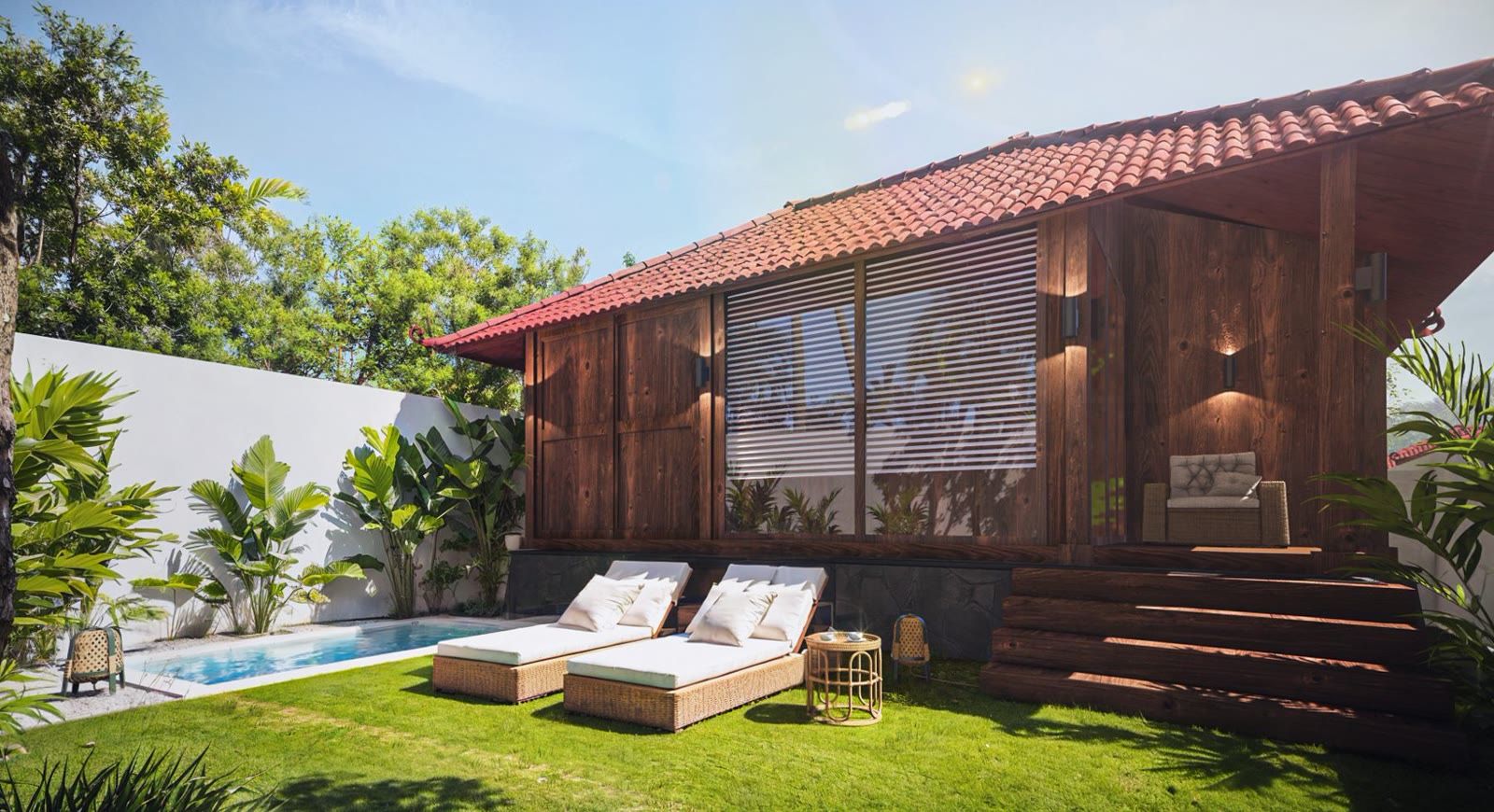
In Dubai it is almost impossible to find income-producing property for $150,000–200,000. In Bali those options exist. Our wooden houses at Mudra go from foundation to keys in 6 months, so the money starts working sooner.
Why a villa beats shares and bitcoin
With bonds, shares or bitcoin, all you can do is hold and wait to see whether they go up. A villa can be rented out, you can come for a holiday, or you can move in with your family. And it is still an asset.
Bali has long been an international place to live, too: entrepreneurs from Asia, Europe and the Americas, young founders, and people who have moved here to retire.
How we reduce the risk for buyers
In our projects we give investors a reliable deal, a clear structure, checked documents and solid construction. In practice: the deal is done at a notary, the contract is in your name, we show the documents before you pay a deposit, and there is legal support at every step. You can also see actual payouts from our completed villa Kesari in a report.
Read next: Where Bali's developers are going and who investors trust now, Serenity from the inside.
Key points
- Asia offers higher returns and higher risks. The investor can remove much of the risk.
- When you buy a villa, you also buy the region's growth.
- A stand-alone property in an area with little supply is safer than a unit in a hyped complex.
- You can live in a villa, which shares will never give you.
FAQ
Is it safe to buy property in Bali?
There are risks, as in any growing market. Most of them go away once you check the developer, the documents and the occupancy in the area.
Why isn't a big, well-known complex always a good choice?
It has many investors, and a single unit's occupancy can be lower than that of a stand-alone villa in an area with little supply.
How much do I need to start?
Bali has income-producing options from $150,000–200,000, and our wooden houses start at $90,000.
Why property rather than shares?
You can rent it out, live in it or holiday in it, and sell it if you need to.